Originally published on: PUTNIKUFER
In the beginning, there was Terraneo — and right after it, Azimut. Poetically speaking, that is how the story of Šibenik’s tourism revival could begin. In mountaineering, “azimuth” means direction — and this iconic venue set the direction for the entire city.
Thirteen years ago, the organization of the legendary Terraneo Festival brought Hrvoje Jelković from Zagreb to Šibenik. When Terraneo — the festival that forever changed the public perception of Šibenik — ended after three years, Hrvoje stayed. In the historic space of the old Šibenik cisterns, he opened Azimut, a club dedicated to promoting diverse cultural content, from concerts to exhibitions, festivals, and performances. The old Šibenik cisterns, built in 1453, no longer hold water — today, they hold culture.
QUALITY CULTURAL CONTENT ATTRACTS TOURISTS
“Terraneo was a signpost showing that high-quality cultural programming can shape a distinct tourism offer. Since then, Šibenik has built its identity around following music and cultural trends — a place where you can see and hear things that are difficult to find in other tourist cities,” Hrvoje tells us, explaining why he chose Šibenik as both his life and business destination.
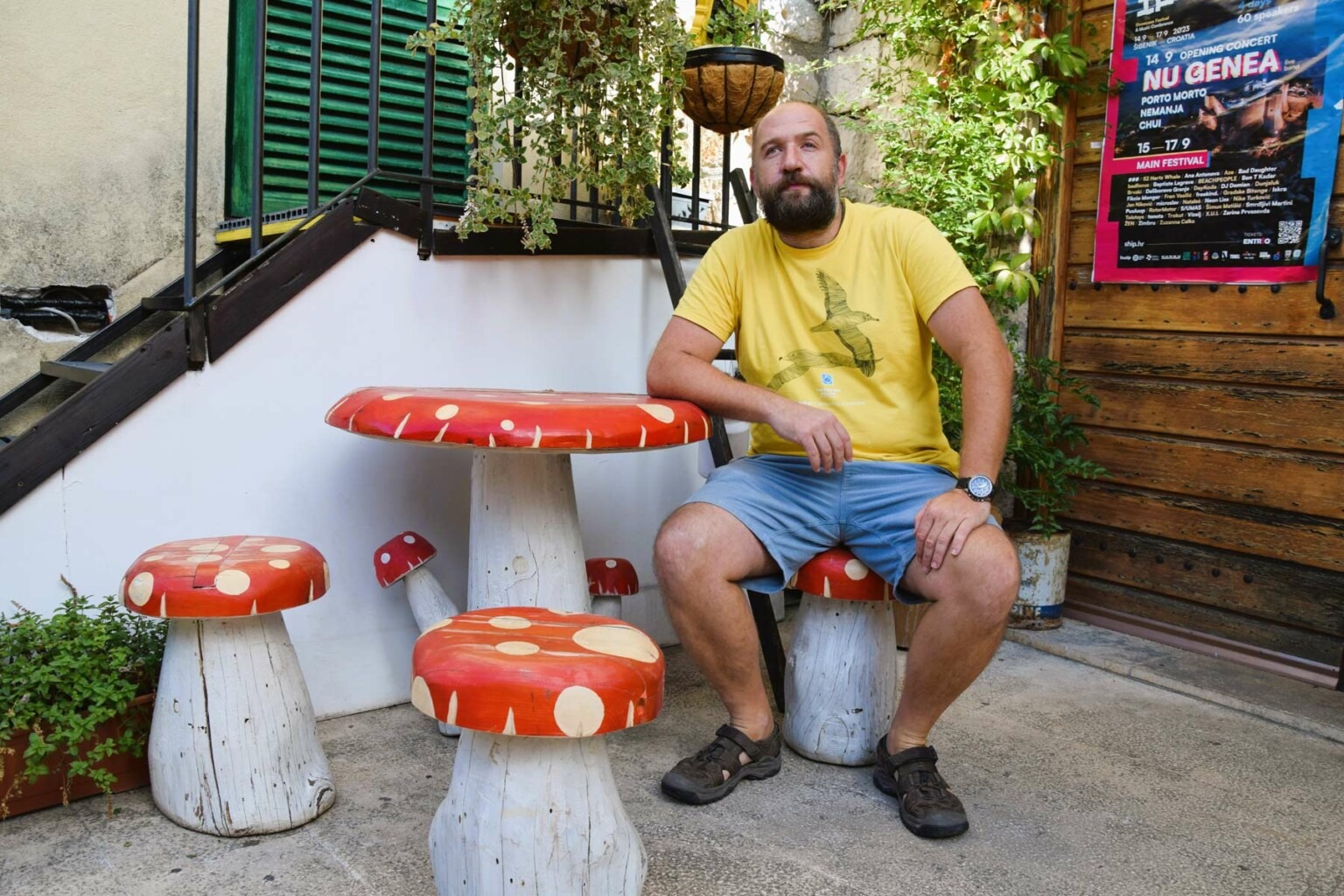
“Šibenik has an excellent location — close to Split, not far from Zagreb, surrounded by stunning nature with two national parks nearby. And because it remained underdeveloped for so long, it avoided devastation. I was won over by the relaxed Šibenik lifestyle, the connectedness of its people, and the absence of the constant rush you feel in Zagreb,” says this Zagreb native with enthusiasm.
TODAY, PEOPLE TRAVEL FROM ALL OVER CROATIA FOR CONCERTS IN ŠIBENIK
Today, the city is completely different from what it was ten years ago. In the past, locals had to travel to Split or Zagreb to see a quality performance or attend a great concert. Now, people travel to Šibenik for those very experiences.
Azimut runs year-round and does not close during winter. Its program includes not only concerts, but also exhibitions and festivals such as the Festival of Travelers, a dance festival, the Fališ Festival, the Sheeft conference, and more.
Azimut has become a highly desirable concert venue, with performers reaching out directly to inquire about available dates. At the same time, the Azimut team actively supports local Šibenik artists and organizes special evenings dedicated to the “Invisible Scene” — artists whose music often goes under the radar but deserves to be heard.
“We work with almost every form of art. We don’t produce theatre because we lack the technical conditions — the stage is too small — and we don’t focus on dance because that has found its home at the Arsen House of Arts. But we are open to music, visual arts, literature…” explains Hrvoje Jelković.
Today, around 20% of Azimut’s audience comes from outside the city, while locals no longer need to travel to enjoy quality concerts and exhibitions.
EVERY DETAIL OF THE FASCINATING INTERIOR IS DEDICATED TO CULTURE AND ART
Azimut’s interior is an attraction in its own right. Every detail is devoted to culture and art, with numerous artists leaving behind works and installations within the space. The upper level, opened in 2019, now serves as an impressive exhibition area hosting many compelling shows.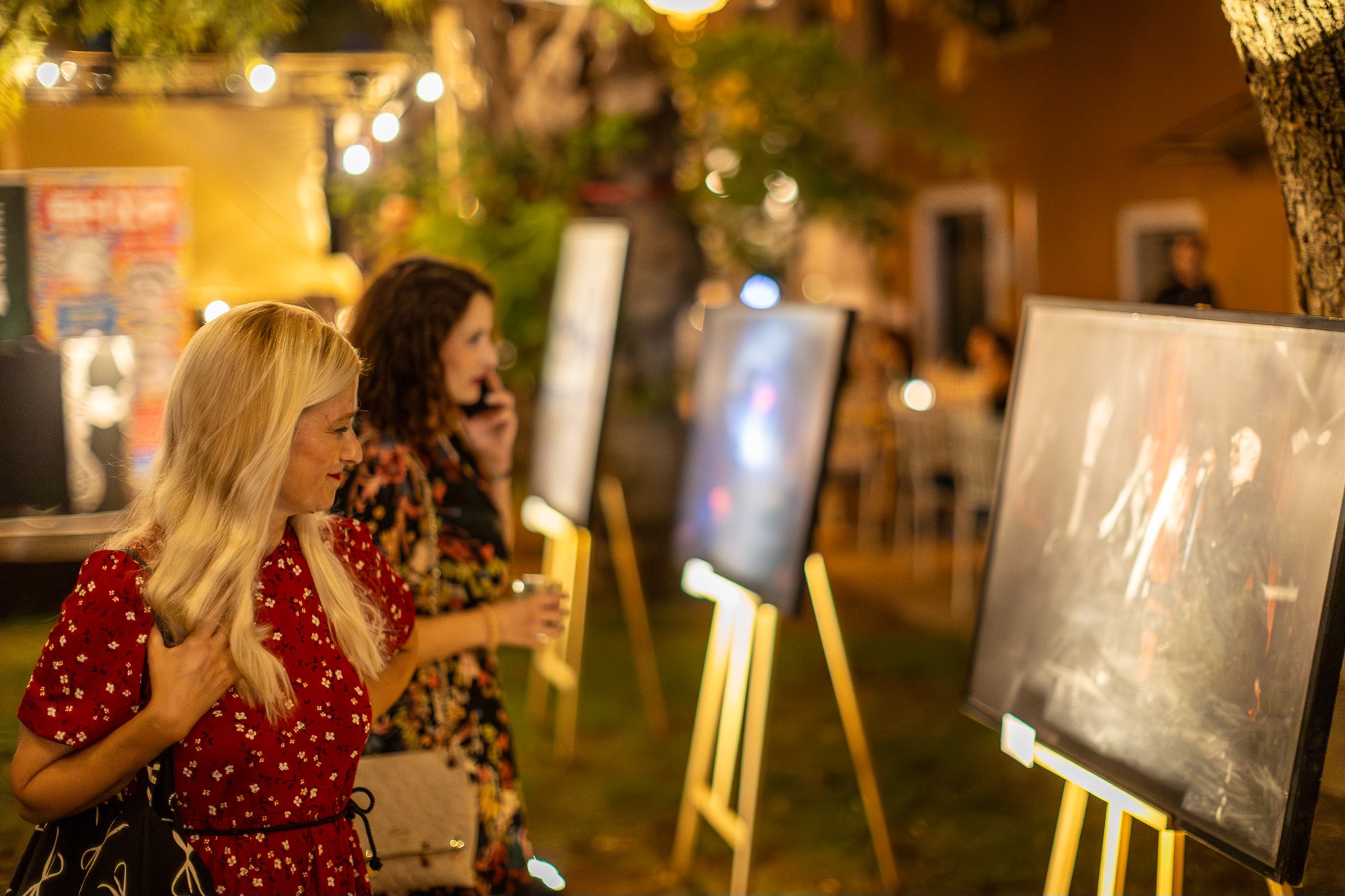
AZIMUT IS A MEETING PLACE AND A CULTURAL INCUBATOR FOR A CITY THAT LIVES ALL YEAR ROUND
“Klub Azimut is a place of encounters and ideas — a cultural incubator for the city that truly found its full meaning when the fortresses and the Arsen House of Arts opened. Together, we are cultivating an audience that will later engage with even more demanding cultural content,” Hrvoje tells us.
Azimut operates all year round, without seasonal breaks. “If we all shut down after the tourist season, we become a ghost town. Even though it may not always be financially profitable, it is the only way to keep the city alive,” concludes Hrvoje Jelković.